

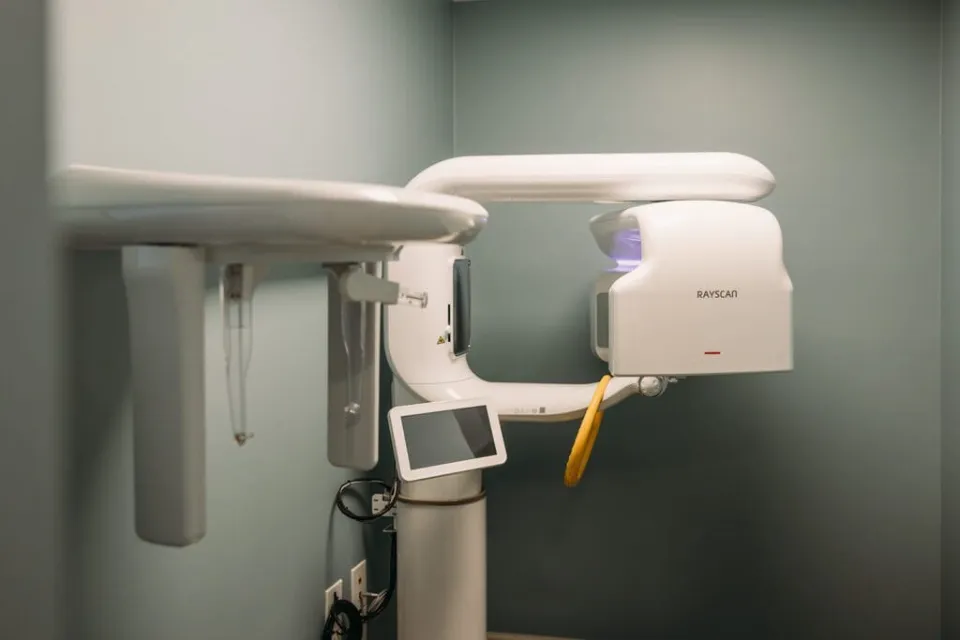
Age 7
The age the American Association of Orthodontists recommends, while growth can still be guided.
6–24 months
A first phase runs 6–12 months; comprehensive treatment 18–24 months.
No charge
Photographs, an x-ray and a digital iTero scan, then a written plan.
Six signs a parent can spot without a dental degree
Most children who need early treatment give at least one of these hints. None of them is a diagnosis.
Early or late loss of baby teeth
Losing the first tooth before 4, or still having baby teeth at 13, is worth a look.
Crowding or overlapping teeth
Adult teeth arriving behind, above or in front of the baby teeth.
A bite that does not meet
Front teeth that do not touch when the back teeth are closed, or a lower jaw that sits to one side.
Mouth breathing or snoring
Persistent mouth breathing can be related to a narrow upper arch.
Thumb or finger sucking past 4
Continued sucking past four can change how the front of the mouth develops.
Chewing or speech difficulty
Trouble biting through food, or a lisp that has not resolved.
Nothing here is a diagnosis. A screening is the only way to know. It is complimentary, it takes about thirty minutes, and most visits end with a plan to watch rather than a plan to treat.
Every option, open to the right age group
Braces reach the same result as aligners. The aligner systems are named by audience, and each is shaped for a specific stage of growth.
Metal braces
The proven option. Driven by the bite rather than the birthday, and reasonable at any age.
Clear (ceramic) braces
Tooth-colored brackets — less visible, and the same reliable mechanics as metal.
Invisalign First®
Clear aligners designed for growing mouths, from about age 7 to 10.
Invisalign Teen®
Built for teenage mouths and teenage life, with compliance visible at each visit.
Palatal expander
A fixed appliance that widens a narrow upper jaw while the growth center is open.
Retainers
Holding the result for life, and short fix-up plans for teeth that have drifted.
Screening a child takes about thirty minutes
No impressions, no needles, nothing uncomfortable. We take photographs and a digital scan with our iTero scanner, and Dr. Roark looks at how the bite closes and how the jaw is developing.
- Complimentary — no charge for the screening itself
- Photographs and a digital iTero scan, no goopy impression trays
- A clear answer: nothing needed yet, watch and re-check, or treat now
- A written fee and what your dental plan contributes, before you decide
- Dr. Roark sees every patient herself, at every visit
Our office is at 212 East Main Street in historic downtown Franklin, with free parking in front of the office and in the 2nd Street garage across the street. Open Monday to Wednesday, 7:30am to 4:00pm.
Book a free screening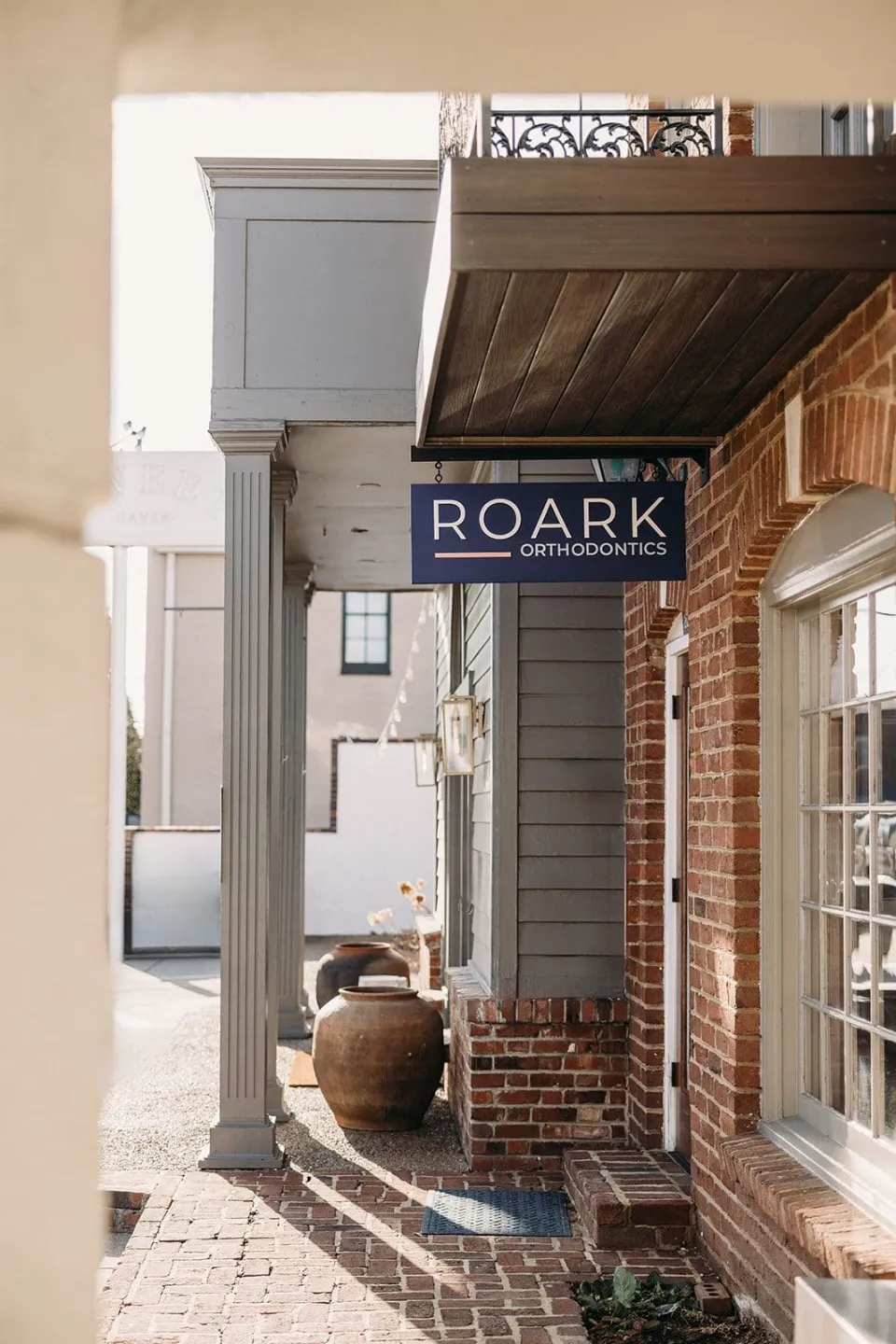
What kids’ treatment costs in Franklin
A comprehensive phase at our office generally runs $3,400 to $6,250, and a shorter early interceptive phase $1,900 to $3,400. We will tell you at the screening whether we expect a second phase to be needed.
- One fee covering records, the scan, all appliances and the first retainers
- 0% interest plans — down payment at the start
- Sibling and family treatment discounts
- HSA and FSA dollars welcome
Message sent
We have it, and a reply will come to your email — usually the same or next business day. For anything urgent, call (615) 814-4884.
Kids’ braces questions, answered
At what age should my child first see an orthodontist?
The American Association of Orthodontists recommends a first screening by age 7. At that age most children still have a mix of baby and adult teeth, which is exactly when jaw-growth problems are easiest to guide. Most of those visits end with no treatment at all — just a baseline and a plan to watch. Screenings at our office are complimentary.
Does my child need braces if the baby teeth are going to fall out anyway?
Not always, and that is precisely what the screening answers. Some problems — a crossbite, a very narrow upper arch, front teeth that sit far enough forward to be at risk of injury — are much easier to guide while the jaw is still growing. Others are best left until the adult teeth have arrived. We tell you which one you are looking at, and we are comfortable saying nothing is needed yet.
Braces or aligners for a teenager?
Both correct the same problems, so it usually comes down to the teenager. Aligners are clear and removable for sport and band, but they need around 20 to 22 hours of wear a day. Braces work regardless of compliance. We will show you both, and tell you honestly which we think will give a more reliable result for your child.
How long will my child be in treatment?
A first phase of early treatment usually runs 6 to 12 months. Comprehensive treatment once the adult teeth are through typically runs 18 to 24 months. Aligner cases often finish in 6 to 18 months. Your own estimate is given in writing at the free exam.
What does it cost, and does insurance help?
Comprehensive treatment at our office generally falls between $3,400 and $6,250, and a shorter early interceptive phase between $1,900 and $3,400. Most dental plans that include orthodontic benefits contribute toward either, usually from a lifetime orthodontic maximum. We verify your specific coverage and give you a written figure at the free exam.
We can't wait to meet your family!
Book a complimentary screening and you will leave knowing exactly where your child stands.
Invisalign First® for kids
Clear aligners designed specifically for growing mouths.
Aligners for children ChildrenPalatal expander
A fixed appliance that gently widens a narrow upper jaw.
How it works All agesWhat treatment costs
One fee for every appliance, insurance verified, 0% plans.
Cost & financing